Kithul jaggery is produced from the sap of the kithul palm (Caryota urens), a tree native to Sri Lanka and parts of South Asia. Its relevance to an origin portfolio comes from the production process: tapping, reduction and careful handling determine the flavour and consistency of the finished product.
From palm sap to jaggery
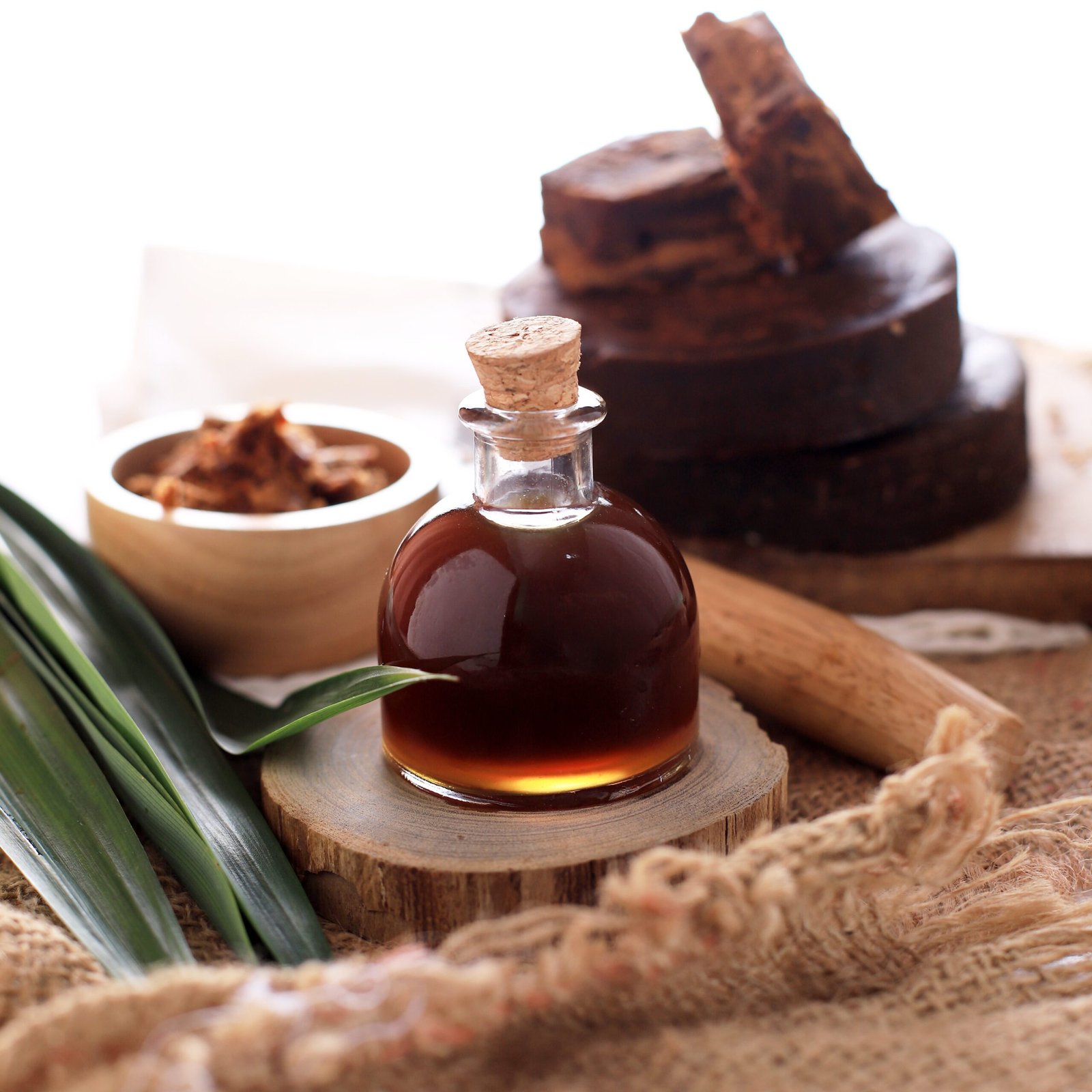
The sap is collected by trained tappers and then heated to remove water. The degree of reduction determines whether it is sold as a pourable treacle or set into jaggery. Kithul can also be processed into flour from the palm’s starchy pith, although jaggery and treacle are the products most closely associated with the tree.
Traditional tapping allows sap to be collected without felling the tree. That does not make every supply chain automatically sustainable, but it does give the producer an incentive to maintain a productive palm over multiple harvests.
What shapes quality
Kithul is valued for a deep caramel profile with mild smoky and mineral notes. Batch consistency depends on sap freshness, heat control, concentration and storage. Colour alone is not a complete quality test, and buyers should be clear about whether they require blocks, granules or treacle.
- Origin and producer: where the sap was collected and who processed it.
- Format and specification: block, granulated jaggery or treacle, with agreed moisture and packing.
- Handling: hygienic collection, controlled reduction and protection from moisture after processing.
- Documentation: product analysis and export documents appropriate to the destination market.
An origin product, not a health claim
Kithul should be presented for what it is: a traditional sugar with a distinctive origin and flavour. Its commercial case rests on production knowledge, clear specifications and reliable quality.
For Twenty Arms, that is the more credible story: a distinctive Sri Lankan product, produced through specialized local knowledge and supplied against clear buyer requirements.