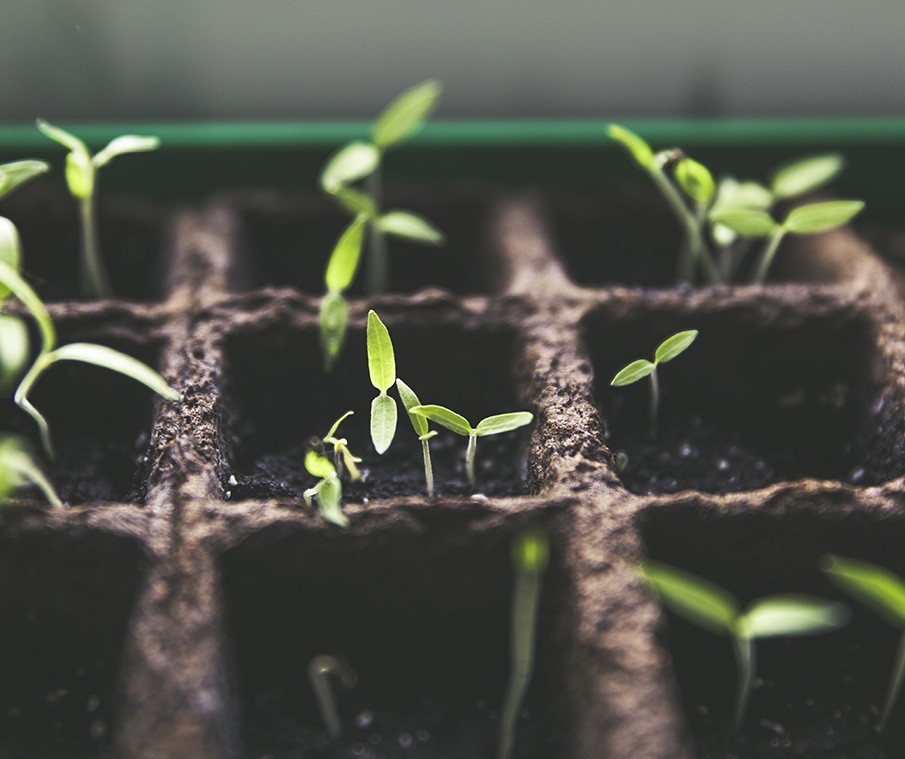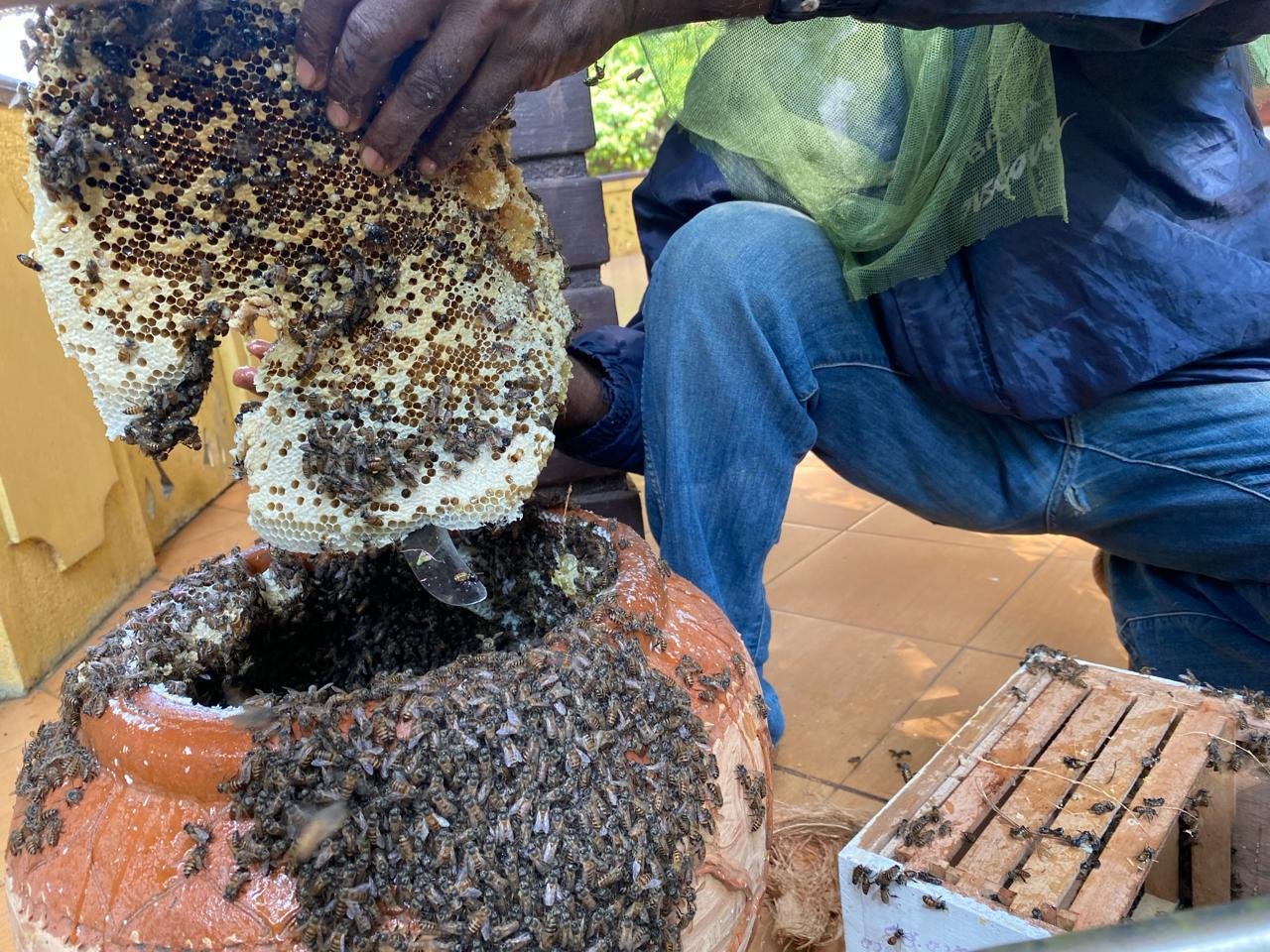
Beekeeping sits close to the core of agriculture: pollination, biodiversity and farm resilience. At Twenty Arms, the work began by placing hives around farms operated by rural smallholder partners in Sri Lanka. The aim was practical—to support the local crop system while creating another productive activity at origin.
Why hives belong in the origin conversation
Pollinators are part of the infrastructure of a working farm. Healthy bee populations can support flowering crops and the wider plant life around them. The value is not limited to a single harvest: stronger biodiversity can make an agricultural area more resilient over time.
Working with farming partners
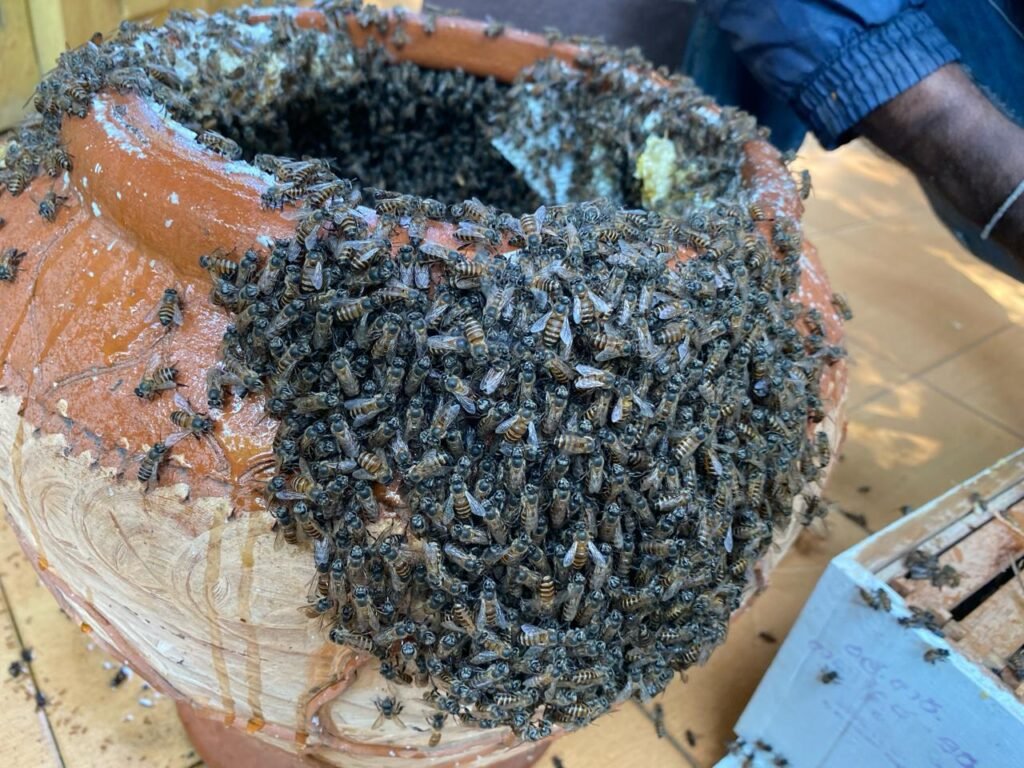
A hive cannot be treated as a decorative sustainability project. It needs a suitable site, regular attention and a clear role within the farm. Twenty Arms works with farming partners on where hives are placed and how the activity fits alongside cultivation.
The approach also keeps the value of the project closer to origin. Where beekeeping is viable, it can broaden the work and income available around a farm instead of relying on one crop alone.
A measured form of impact
The project connects to wider goals around food security, rural livelihoods and biodiversity. Its value is clearest at field level: hives, farming partners and the conditions needed to keep both bees and crops productive.
For Twenty Arms, beekeeping is one part of a longer origin relationship. It connects environmental care with the practical realities of agricultural production, and it gives us another reason to stay closely engaged with the communities behind the products we trade.