Responsible agricultural sourcing begins at origin. It is shaped by how a crop is grown, how quality is maintained and whether producers can keep participating in the supply chain over time. For Twenty Arms, those questions are more useful than broad claims about being “green” or “ethical.”
Start with the crop and the place
There is no single production method that fits every agricultural origin. Rice, black pepper and coconut each respond to different soils, rainfall patterns, harvest cycles and post-harvest risks. A credible sourcing approach has to begin with those local conditions.

Soil, inputs and resilience
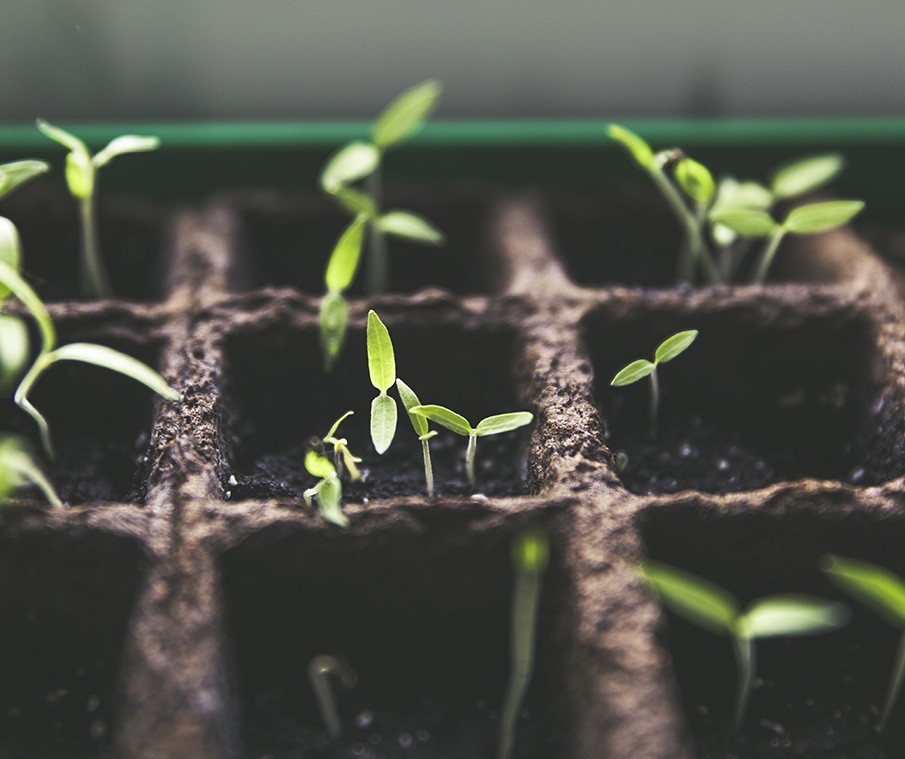
Healthy soil and careful input use support both crop quality and continuity of production. In practice, that means paying attention to field conditions, water, pest pressure and the suitability of the methods used by each farming partner. It also means avoiding claims such as “organic” unless the relevant production and certification requirements can be demonstrated.
The producer relationship matters
Smallholder producers need a commercially workable route to market. Reliable communication, clear quality requirements and realistic purchasing conversations matter as much as agronomy. When those basics are in place, producers can plan with more confidence and buyers receive a more consistent product.
What this means for our origin portfolio
Twenty Arms has worked with origin products including Sri Lankan heirloom rice, high-piperine black pepper and extra virgin coconut oil. Each product calls for its own checks, but the underlying questions are consistent: Where did it come from? How was it handled? What specifications can be supported? Can the supply relationship endure beyond one shipment?
This is the practical role of responsible sourcing in a trading business. It connects agricultural conditions at origin with the quality, documentation and reliability expected by a commercial buyer.